GPS Tracker Manufacturer and OEM Real-Time Locator Factory
SafeTech Factory manufactures cellular GPS trackers and real-time locators for fleet operators, logistics and asset teams, telematics platforms, and brands that resell location hardware under their own name. Every unit fixes its position on GPS, BeiDou, Galileo and GLONASS and reports it continuously over the mobile network, so an asset stays visible on a live map anywhere it has cellular coverage. Geofence alerts, a full trajectory history, and a web-and-app platform you can put your own brand on ship with the hardware.
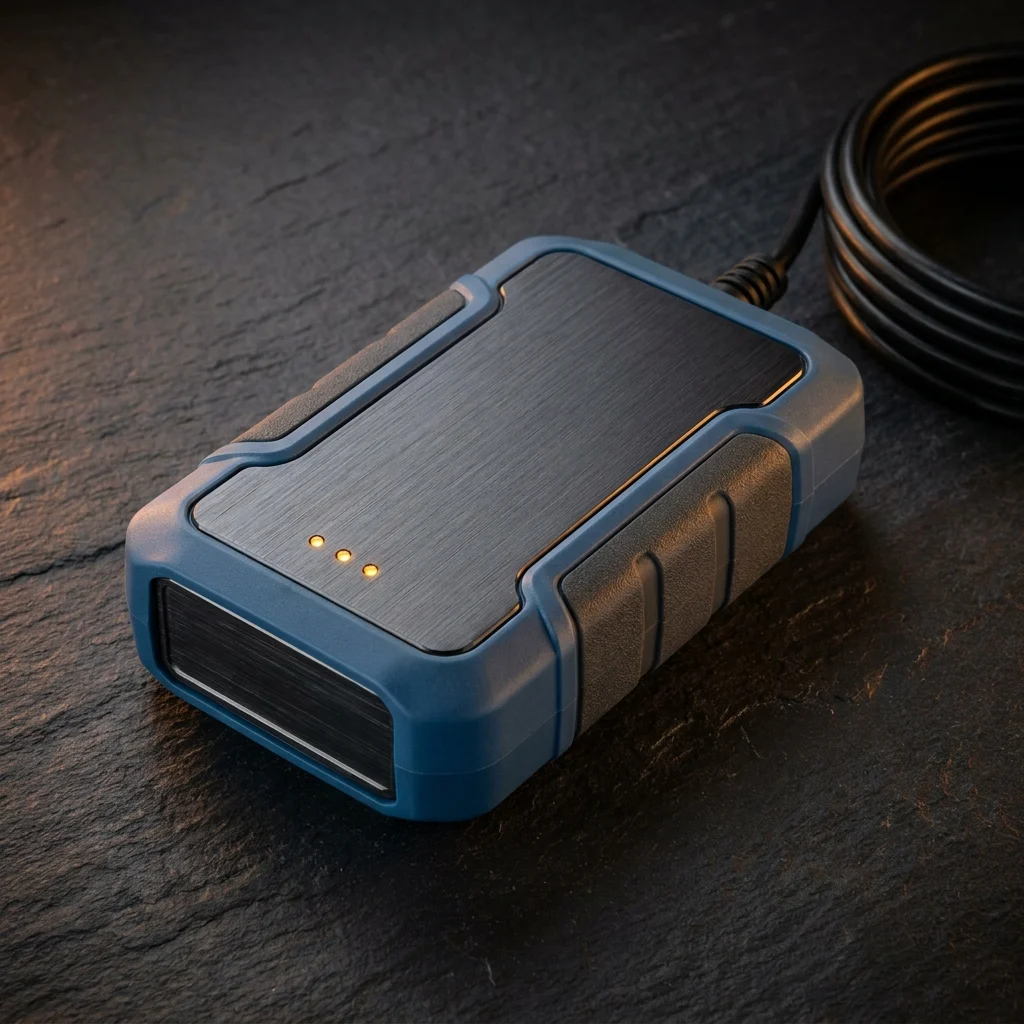
The GPS Trackers We Make
A location program rarely runs on one tracker shape. A rental fleet wires a unit behind the dashboard, a logistics team drops a magnet-mount tracker onto a trailer, a marketplace seller ships a pocket locator in retail packaging, and every one of those installs has a different power source and a different housing. We build the full form-factor range on one cellular-GPS engine and one tracking server, so a distributor can carry several shapes and each one locks a fix, fires a geofence, logs a route, and reports into the same dashboard the same way. What changes across the range is the housing, the mounting, and the power source; the positioning engine, the reporting logic, and the platform are shared across every model.
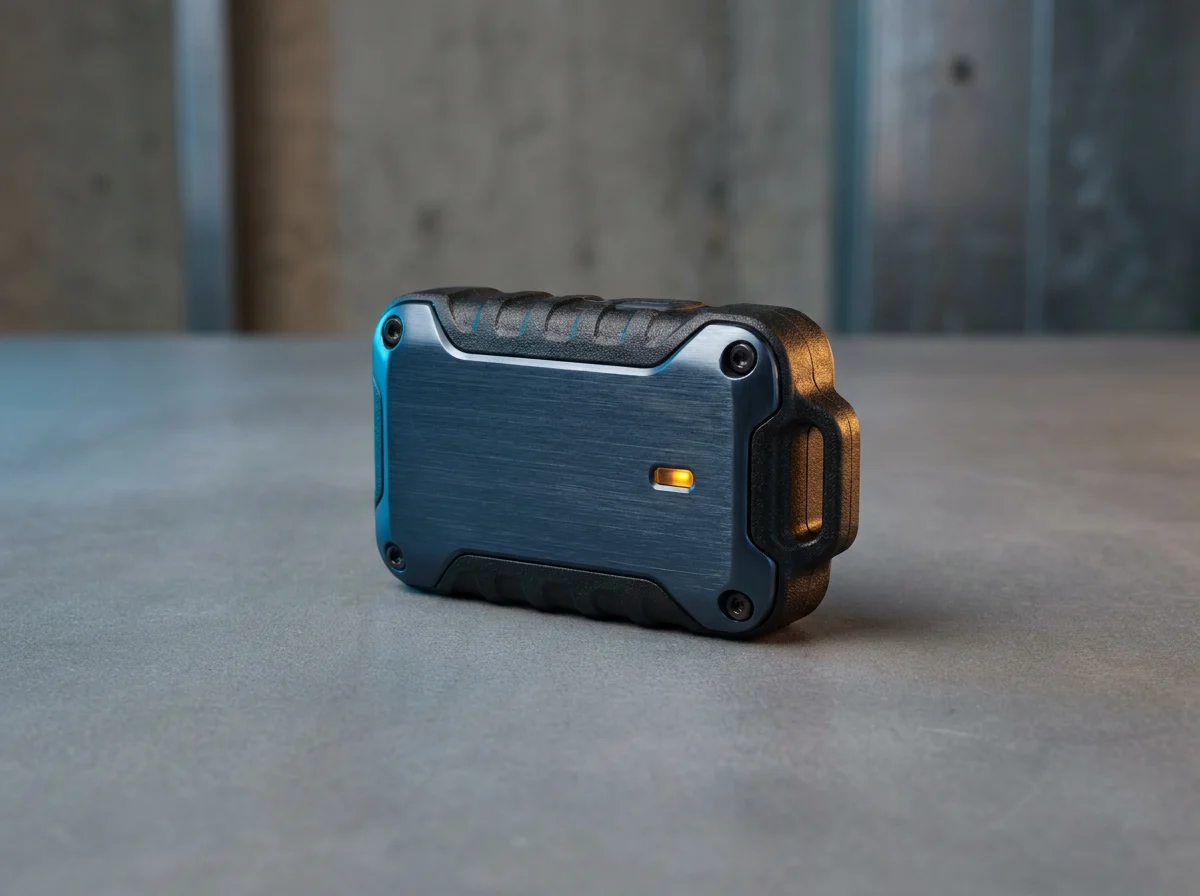
Pocket or lanyard tracker for people, valuables, and small assets.
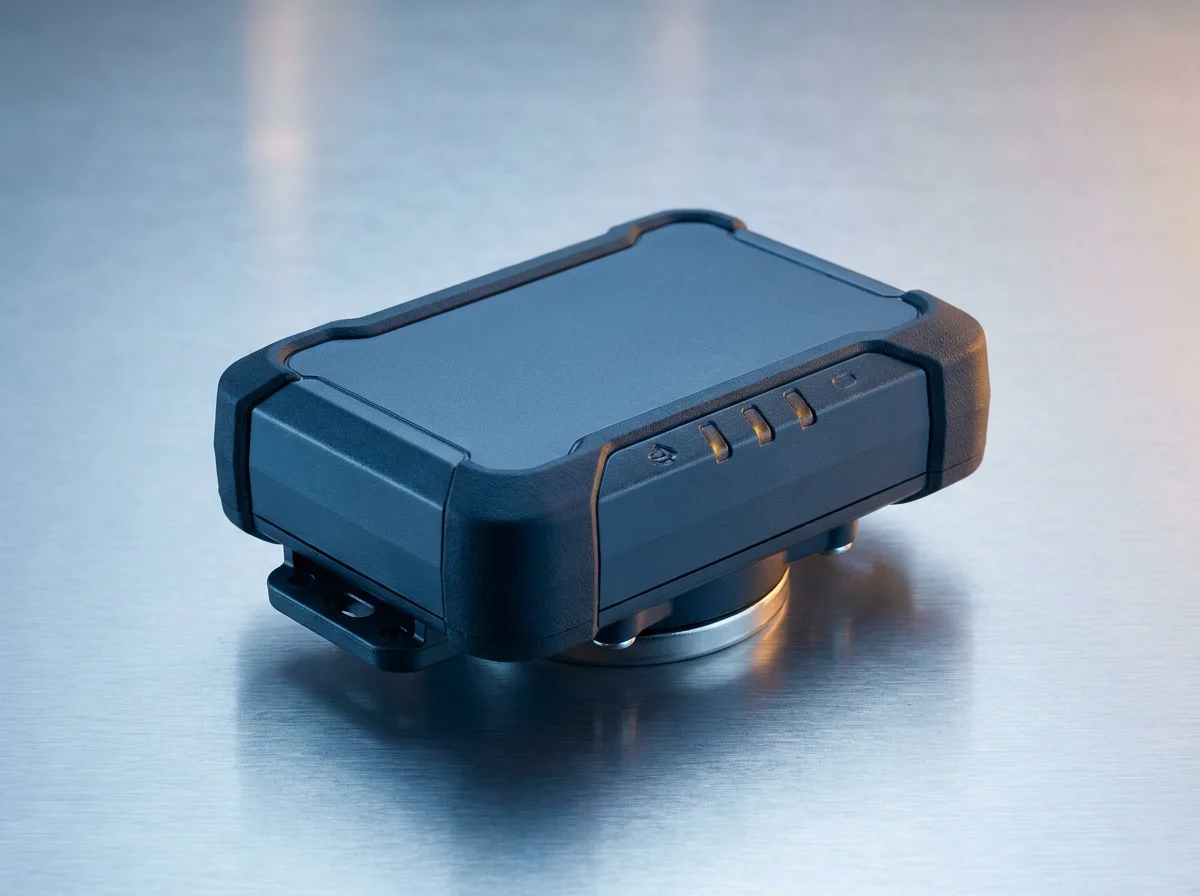
No-wire, magnet-mount unit for trailers, containers, and equipment.
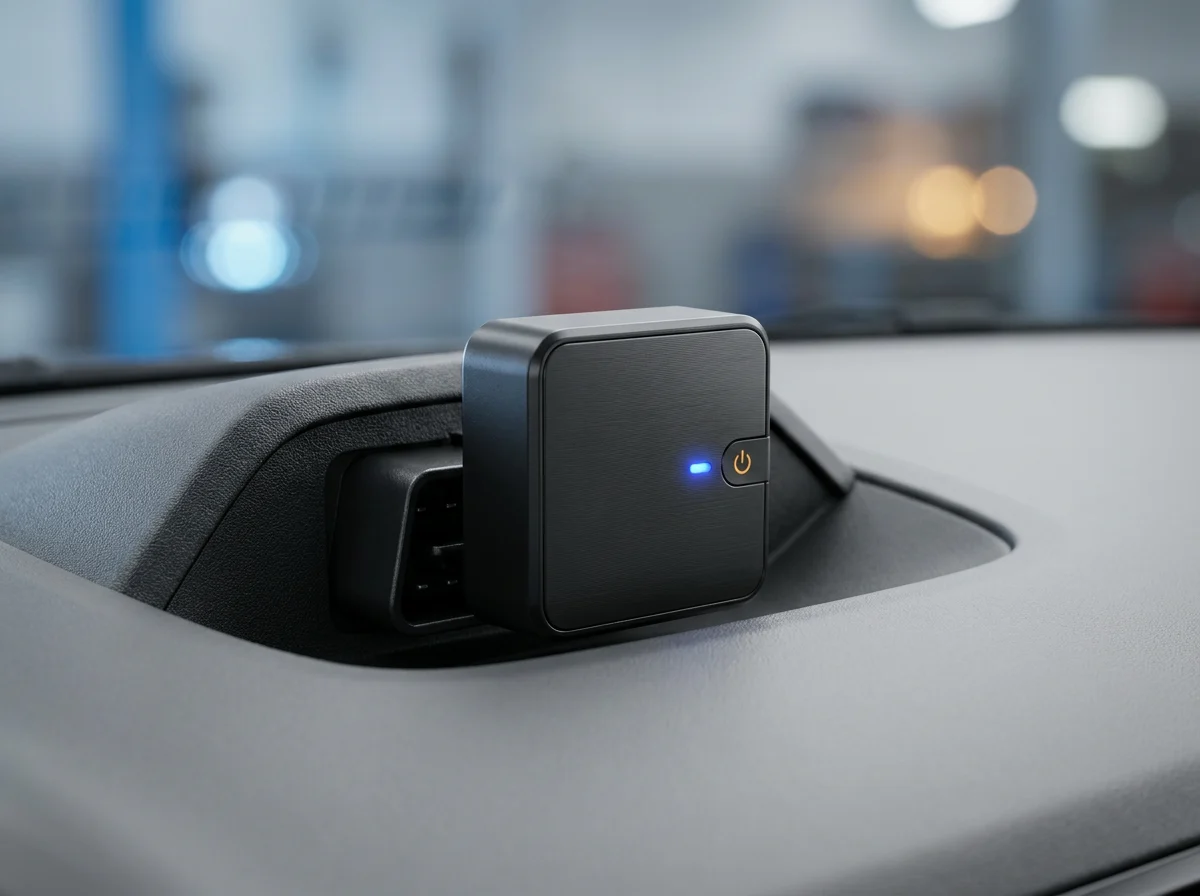
Plugs into the OBD-II port and is live in seconds with no install.
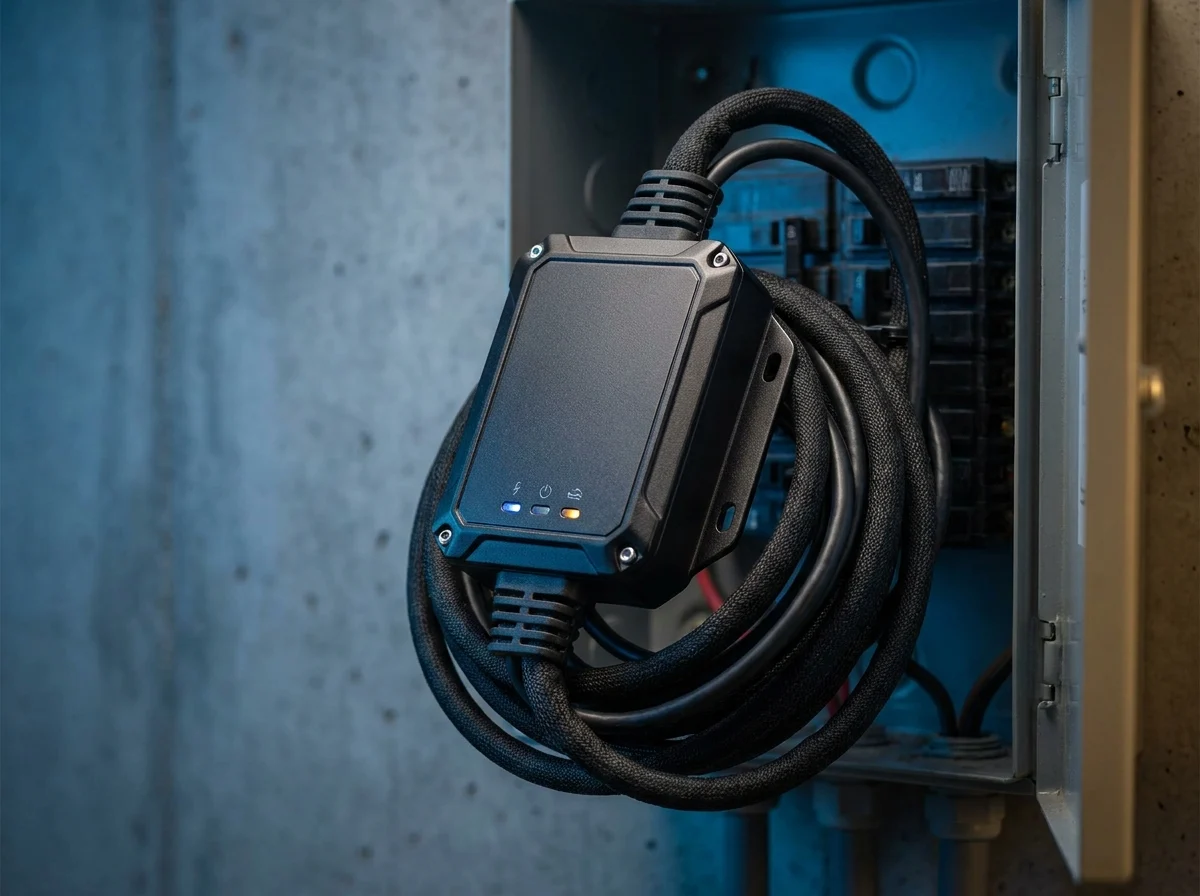
Concealed 9–90 V wiring for cars, trucks, buses, and mixed fleets.
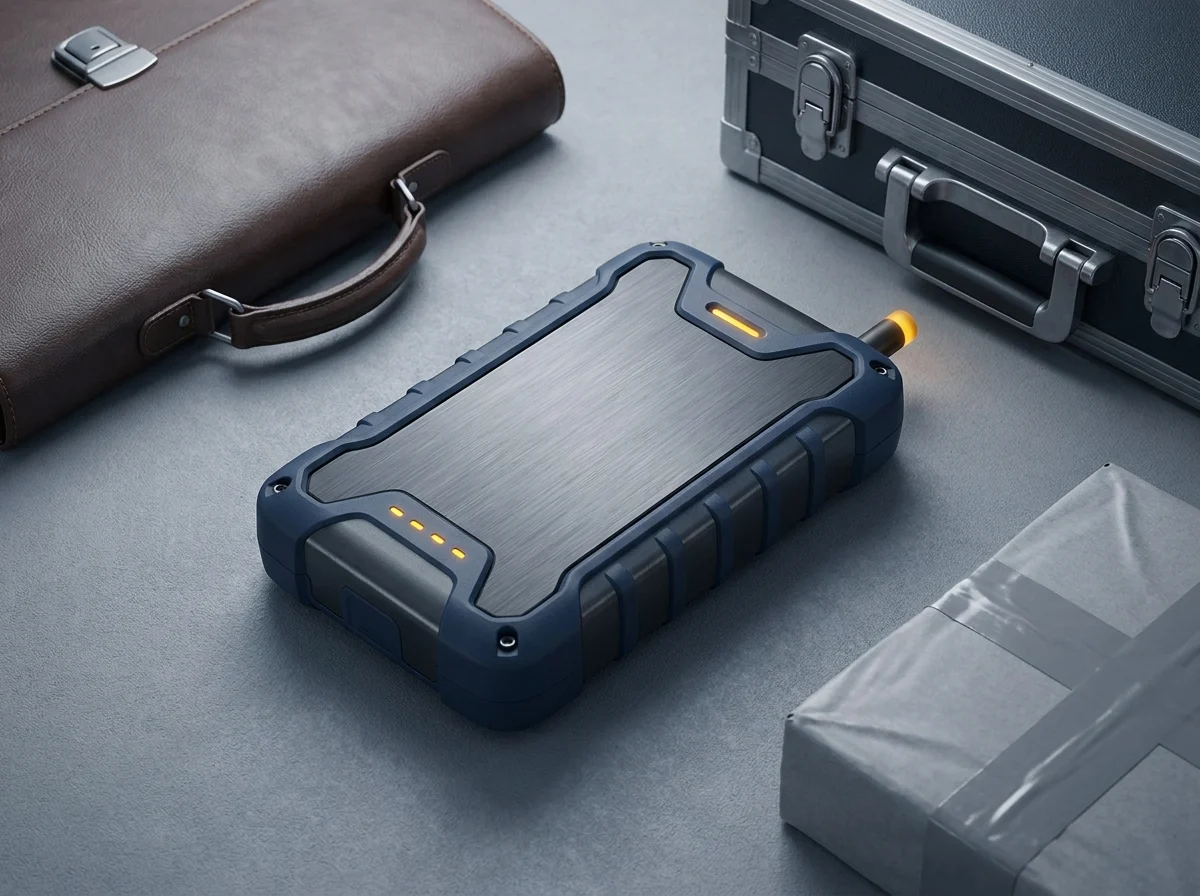
Slim cellular locator for bags, cases, and high-value parcels.
How the Tracker Locates and Reports in Real Time
Continuous tracking is a two-part chain, and a tracker that breaks either part is the one that gets returned. The first part is the fix; the second is the report. This is the mechanism the hero pin implies, drawn as the real chain.
- Multi-GNSS fixA receiver reads GPS, BeiDou, Galileo and GLONASS at once, locking a position from more satellites than a single-constellation chip; A-GPS brings cold start to ~28–32 s and hot start to about a second, with open-sky accuracy around 2.5–5 m (CEP50).
- Never goes darkWhen the sky is blocked — a parking structure, an urban canyon, or indoors — the unit falls back to LBS cell-tower and WiFi positioning and still reports an area, roughly 50–500 m, so the asset never disappears from the map.
- Pushed over cellularThe fix is reported on 4G LTE Cat-1 as the mainstream mode, with LTE-M and NB-IoT low-power modes for asset units that last months, and 2G GSM as a legacy-coverage fallback.
- Tuned by intervalFrom ten seconds for live-fleet visibility up to a once- or twice-a-day heartbeat for a dormant asset, with motion-triggered upload as the default — a moving unit reports often, a still one sleeps. That single chain is why the same platform drives a live delivery map and a multi-year container beacon.
Geofence, Trajectory, and the Live Map
Once a tracker reports its position reliably, the value is in what the platform does with that stream. Three things carry the promise buyers pay for — and a snapshot tells you where something is now, while the continuous history under it proves where it has been.
Draw circular or polygon zones on the map, as many per device as a route needs, and the platform pushes an enter or exit alert within the next reporting cycle — so a trailer rolling out of the yard at 2 a.m. raises a flag before it reaches the gate.
Every reported fix is stored as a breadcrumb on the route, kept for 90+ days by default, and played back at adjustable speed with stop and idle detection — the record that settles a delivery dispute or a theft claim.
Current position, heading, speed, and the last-report timestamp sit on one screen, with the whole fleet visible at a glance and any single unit expandable to its live detail.
The Tracking Platform: Web, App, API, and White-Label
The trackers run on our own dedicated GPS tracking platform, purpose-built for location work — a web dashboard and iOS and Android apps for the live map, geofences, trajectory playback, the full alert stream and scheduled reports, backed by an open API and SDK. It is a tracking server, separate from the smart-home ecosystem our sensors use, so its screens are built around vehicles and assets.
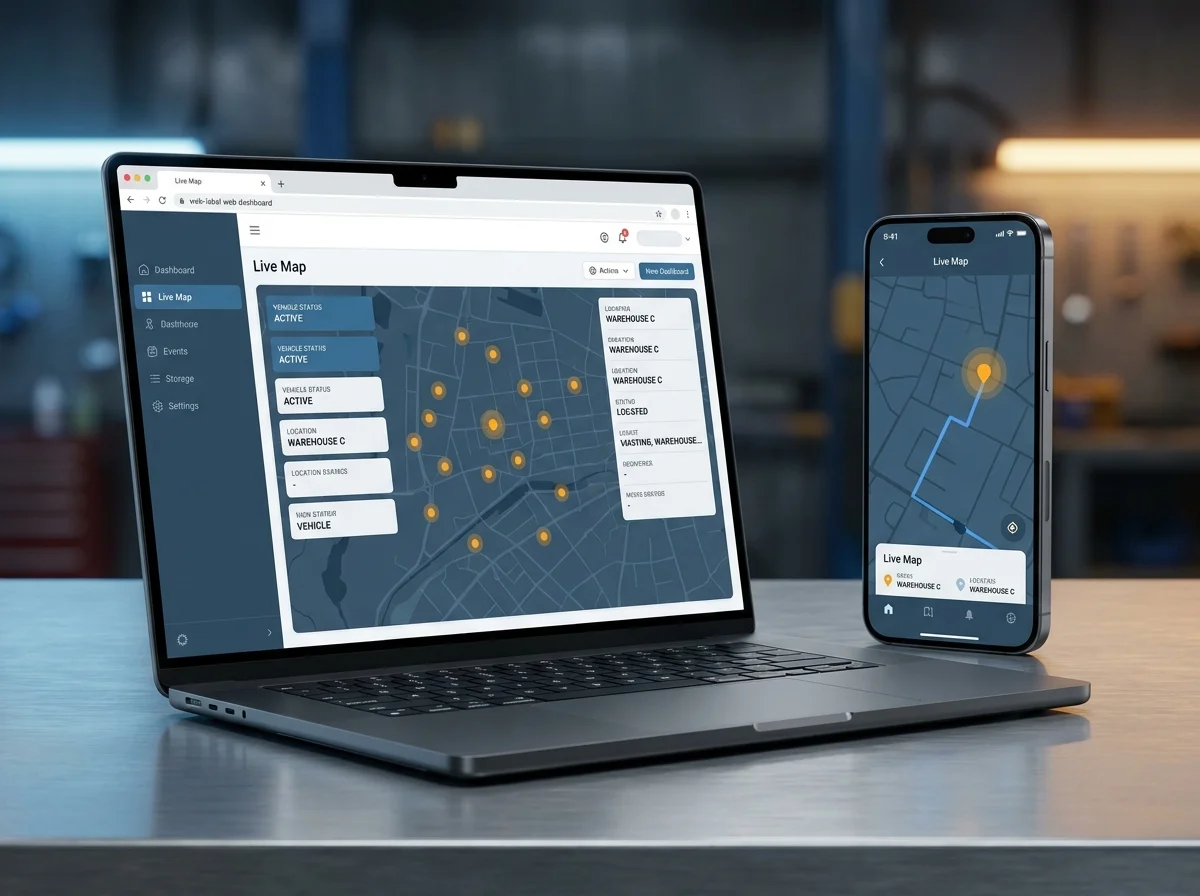
Use the platform under our name — a fast route to live tracking with nothing to build.
Your brand, logo, colours and domain on the web platform, and your own-named app published to the App Store and Google Play, so the customer logs into your product rather than a generic one.
Feed the hardware into the telematics or fleet software you already run through the API, SDK, and platform protocol, and never touch our dashboard at all.
SIM, eSIM, and Multi-Network Roaming
A cellular tracker only reports if its SIM connects in the markets the asset actually travels through, so we build the connectivity side to the buyer's coverage rather than to one home network. This is the layer that decides whether a tracker clears customs and stays alive in the field — and it is confirmed against your target markets on the quote.
A pre-installed multi-network roaming SIM switches between carriers as the asset crosses borders — what keeps a cold-chain container reporting through three countries on one trip.
Supply your own SIM or MVNO plan and we configure the unit to your APN.
Alerts and Power Across Every Form Factor
Two things separate a fitted tracker from a bare position feed: the events it raises on its own, and how long it runs before someone has to touch it.
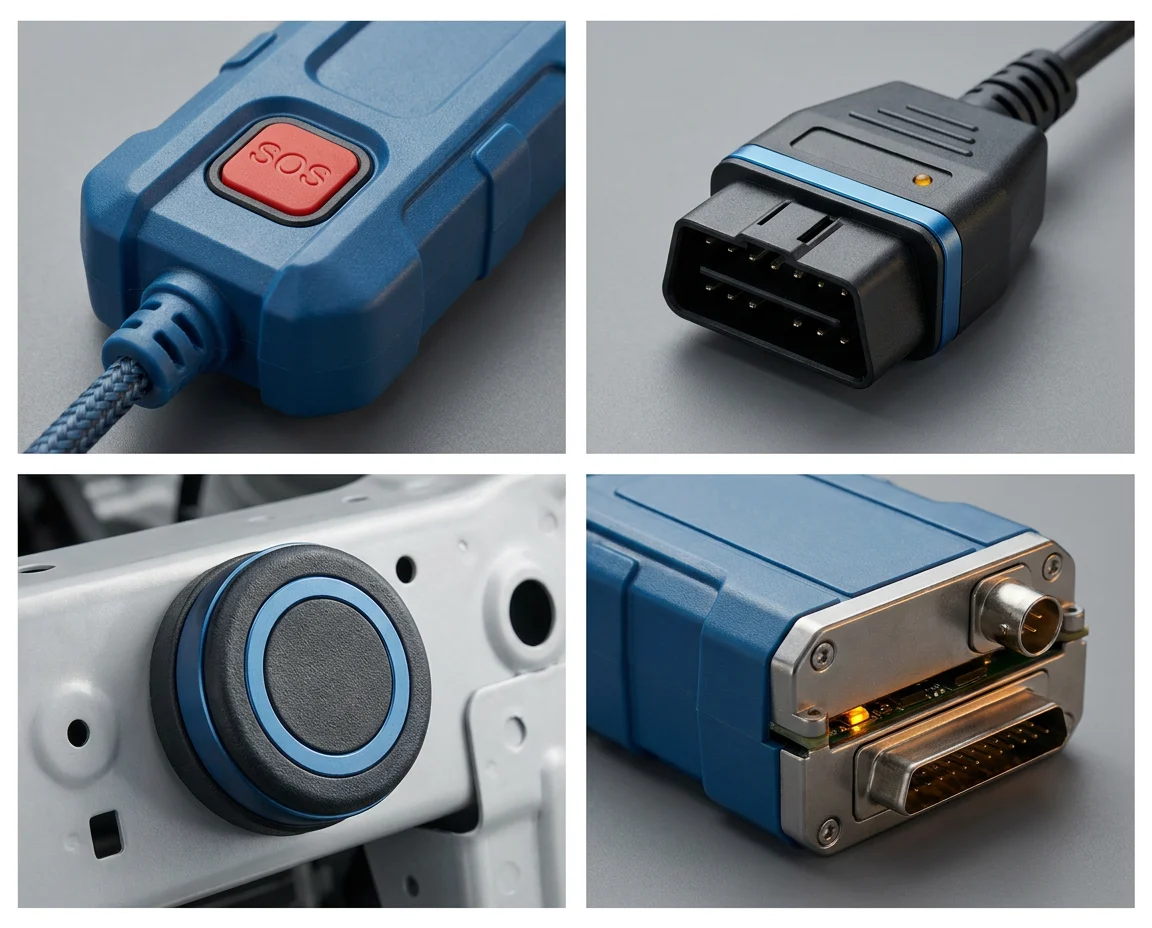
Mini / personal locators
A rechargeable ~600–1000 mAh Li-Po over USB-C, good for ~5–10 days active tracking and 30–90 days in an NB-IoT or motion-sleep mode, charging in ~2–3 hours.
Magnetic asset tracker
A 5000–10000 mAh cell runs 90–180 days on periodic reporting and stretches to one to three years on a once-a-day heartbeat — a fit-and-forget container beacon.
OBD & hardwired
The OBD plug-in draws from the port and the hardwired unit from a 9–90 V input, each with a small backup cell so a tow-away or a cut wire still fires an alert after main power is gone.
GPS Tracker Specifications
Each tracker ships with a complete spec sheet, so your platform team, your carrier, and your compliance reviewer all read from one set of numbers.
| Positioning | Multi-GNSS: GPS + BeiDou + Galileo + GLONASS, A-GPS assisted |
|---|---|
| Accuracy | ~2.5–5 m open sky (CEP50, ~3 m typical); LBS + WiFi fallback ~50–500 m |
| Acquisition | Cold start ~28–32 s · hot start ~1 s (A-GPS) |
| Cellular modes | 4G LTE Cat-1 · LTE-M (Cat-M1) · NB-IoT · 2G GSM fallback |
| Bands | LTE-FDD B1/2/3/4/5/7/8/12/13/18/19/20/25/26/28 · LTE-TDD B34/38/39/40/41 · GSM 850/900/1800/1900 (LTE-M / NB-IoT per module) |
| Reporting interval | 10 s → 30 / 60 s → 5 / 30 min → 1–2×/day; motion-triggered upload |
| Geofence | Circular / polygon zones, min radius ~50 m, multiple per device, enter / exit push |
| Route history | Breadcrumb trail, 90+ days retention, playback + stop / idle detection |
| SIM | Nano-SIM · eSIM · embedded MFF2 IoT card; roaming SIM or bring-your-own APN |
| Battery — mini / personal | ~600–1000 mAh Li-Po USB-C; ~5–10 days active / 30–90 days sleep |
| Battery — magnetic asset | 5000–10000 mAh; ~90–180 days, up to ~1–3 yr on daily heartbeat |
| Power — OBD / hardwired | OBD-II port / 9–90 V input, vehicle-powered + backup cell |
| Alerts | SOS · movement · tow-away · ignition · over-speed · geofence · low-battery · power-cut / cut-wire · offline |
| Platform | Web dashboard + iOS / Android app + open API / SDK; OEM white-label + own-server |
| Ingress rating | IP65 (mini) / IP66 (asset, under-vehicle) — weather / dust note |
| Operating temp | −20 °C to +60 °C (wider on vehicle-powered SKUs) |
| Certifications | CE (incl. RED) · RoHS · FCC (cellular RF) |
Positioning accuracy, battery life, and supported bands are confirmed against the specific SKU and your target markets on your quote.
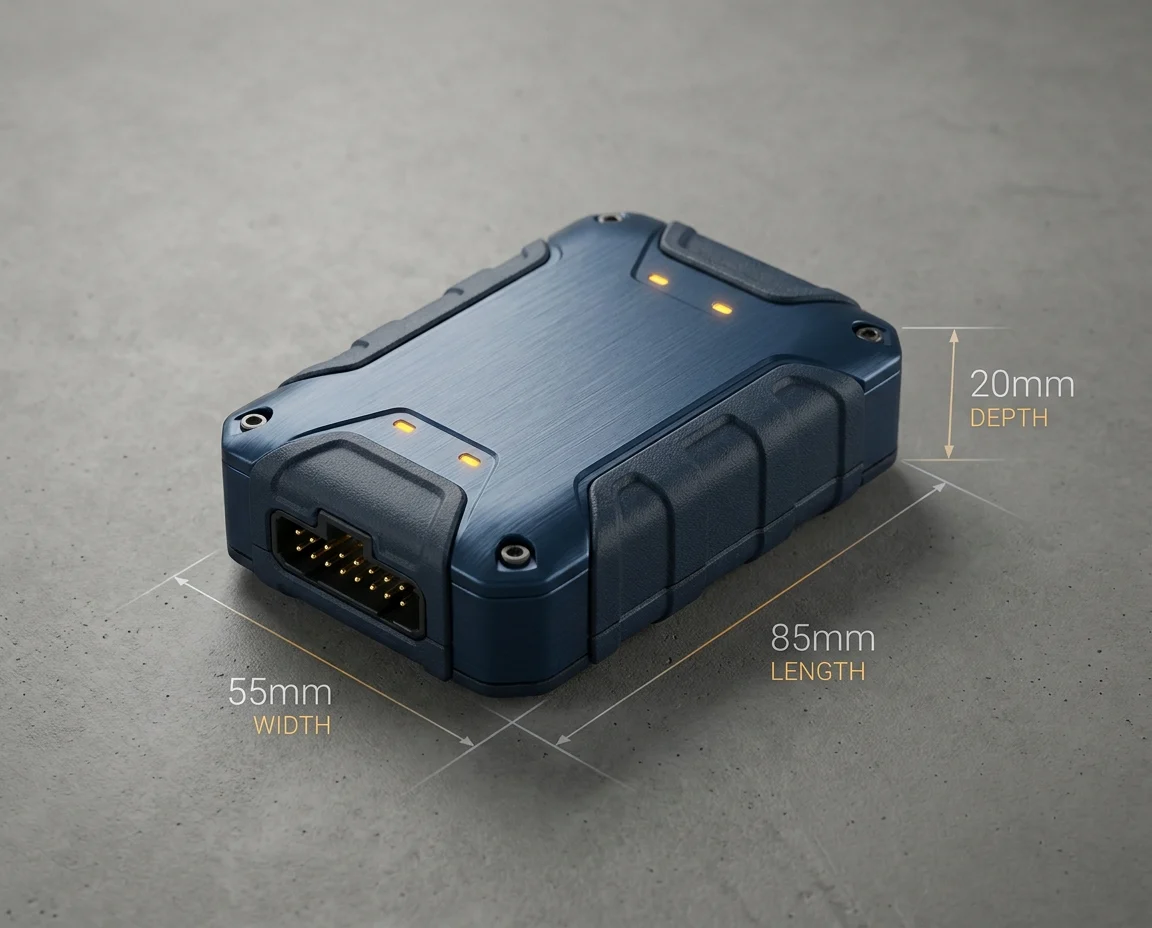
The full per-SKU spec sheet is available for your listing and compliance teams before you commit. Request the Full Spec Sheet →
OEM and ODM GPS Trackers: Branding, Platform Identity, Housing, and MOQ
For a location brand, the thing that carries the product is the platform the customer logs into and the housing that fits their install, more than the label printed on the box. Our 20+ engineers across circuit, structure, and firmware take a project from a printed logo through a new molded housing and a fully white-labelled tracking platform.
- BrandingPrinted or laser-marked logo, custom body colour, and full retail packaging with your artwork and barcode.
- Platform identityA white-label web platform and your own-named iOS / Android app, or an API binding that feeds your existing server instead of any app from us.
- Form factorMini portable, magnetic asset, OBD plug-in, hardwired vehicle, or luggage locator, including a new molded body when you need a housing no competitor lists.
- FunctionCellular mode (LTE Cat-1 / LTE-M / NB-IoT), battery size, SIM format, alert configuration, and default reporting logic for your use case.
Standing up a branded platform and publishing dual-platform apps has nothing to do with molding a tracker. A one-time setup and branding fee covers the platform theming, the app store assets, and the build configuration, priced per project rather than per unit, with hosting and ownership fixed at the start. Because it is a separate line item, the platform work runs independent of the hardware MOQ tiers — a 1,000-pc private-label order and a branded platform are scheduled on their own tracks. Already running your own platform? The open API and SDK let you skip the app build entirely and still feed our trackers into the software you already operate.
We build a working sample and connect it live to your platform account or server for sign-off before any bulk run. Any sample charge is credited back in full once the order goes to bulk. The MOQ and customization structure are open from the start; per-unit pricing is confirmed on your quote. More on tooling, branding and MOQ tiers is on our OEM & private label manufacturing page.
Cleared for the marketplace and the customs desk
A cellular tracker has to clear the radio and electronics approvals before a marketplace will list it or a customs desk will pass it — and because it transmits on a mobile network, the radio side matters as much as the electronics.
See the certification setCertifications: CE, RoHS, and FCC for Cellular Devices
Our trackers are built and tested to the following set, each mark opening a specific door. Because the device transmits on a mobile network, the radio side carries as much weight as the electronics.
CE (incl. RED)
Conformity for sale across the EU and EEA, including the RED radio-equipment requirements for a cellular device.
FCC
Radio and electronics compliance for the United States, required for any device with a cellular transmitter.
RoHS
Restricted-substance compliance for electronic goods.
Carrier / PTCRB
The cellular module inside carries its own carrier and PTCRB-type approvals, stated per module; UKCA, PSE or Anatel on request.
IP66
Weather & dust
IP65 on the mini units and IP66 on the asset and vehicle bodies — an outdoor-mount durability note, not a headline rating.
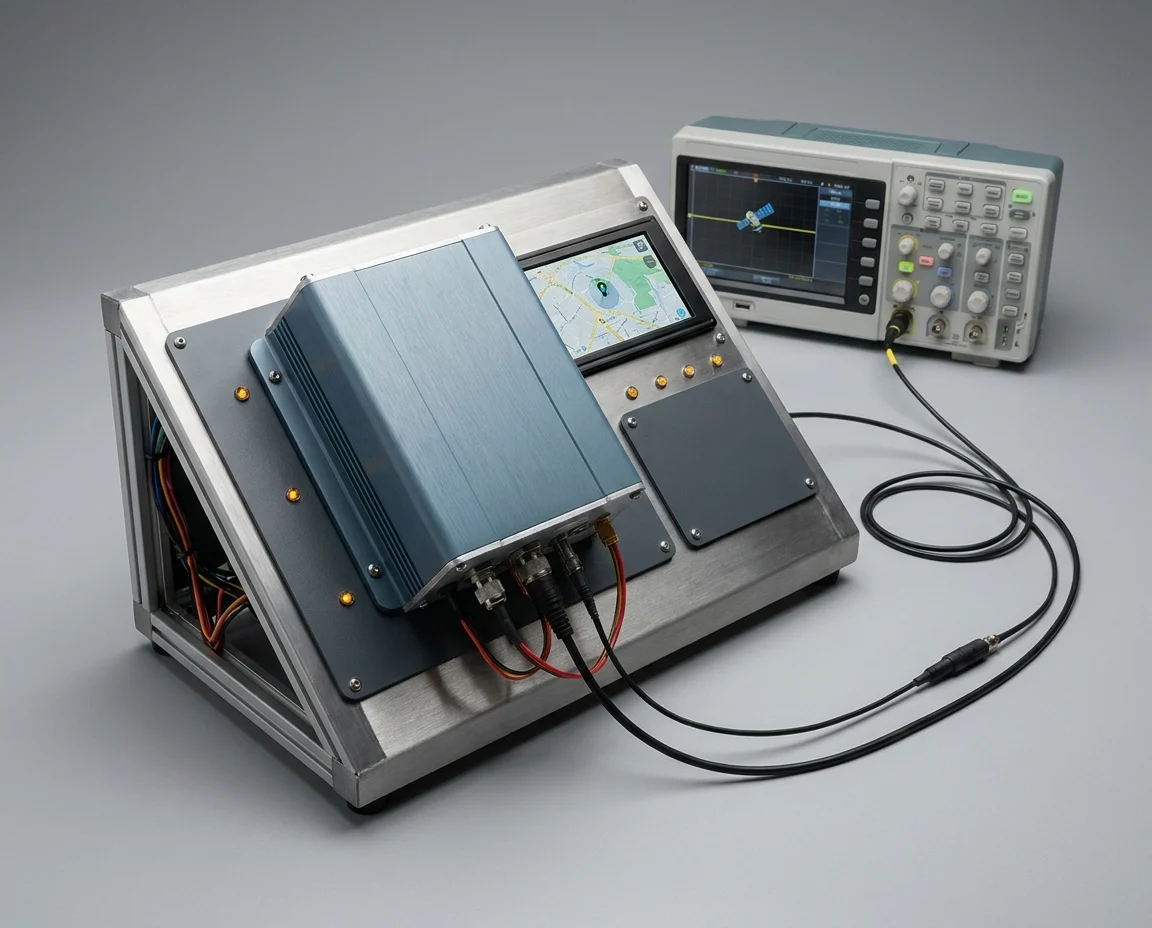
This is a cellular product, so it does not carry Bluetooth (BQB) qualification, and it is not a fire-safety device, so smoke-detector approvals do not apply. Certificates and test reports are available on request; registration numbers are shared with your quote rather than published on the page. Battery-powered units ship with the MSDS and UN38.3 documents needed for air and sea freight. The full inspection loop and test lab are detailed on our quality control & certifications page.

Why Source Your GPS Trackers From Our Factory
Buying direct removes the trading house that would otherwise sit between your spec and the line, adding margin and, more damaging on a cellular product, garbling the band and APN configuration before it reaches production. Here the team that configures your firmware and stands up your platform account is the same team that runs each unit's final live-fix test and replies to your emails, so the connectivity spec you sign off is the one that ships.
About 70% of our order volume is repeat business — which, in a category where a tracker that quietly drops the network gets one-starred, is the clearest evidence the units hold up once they are in the field.
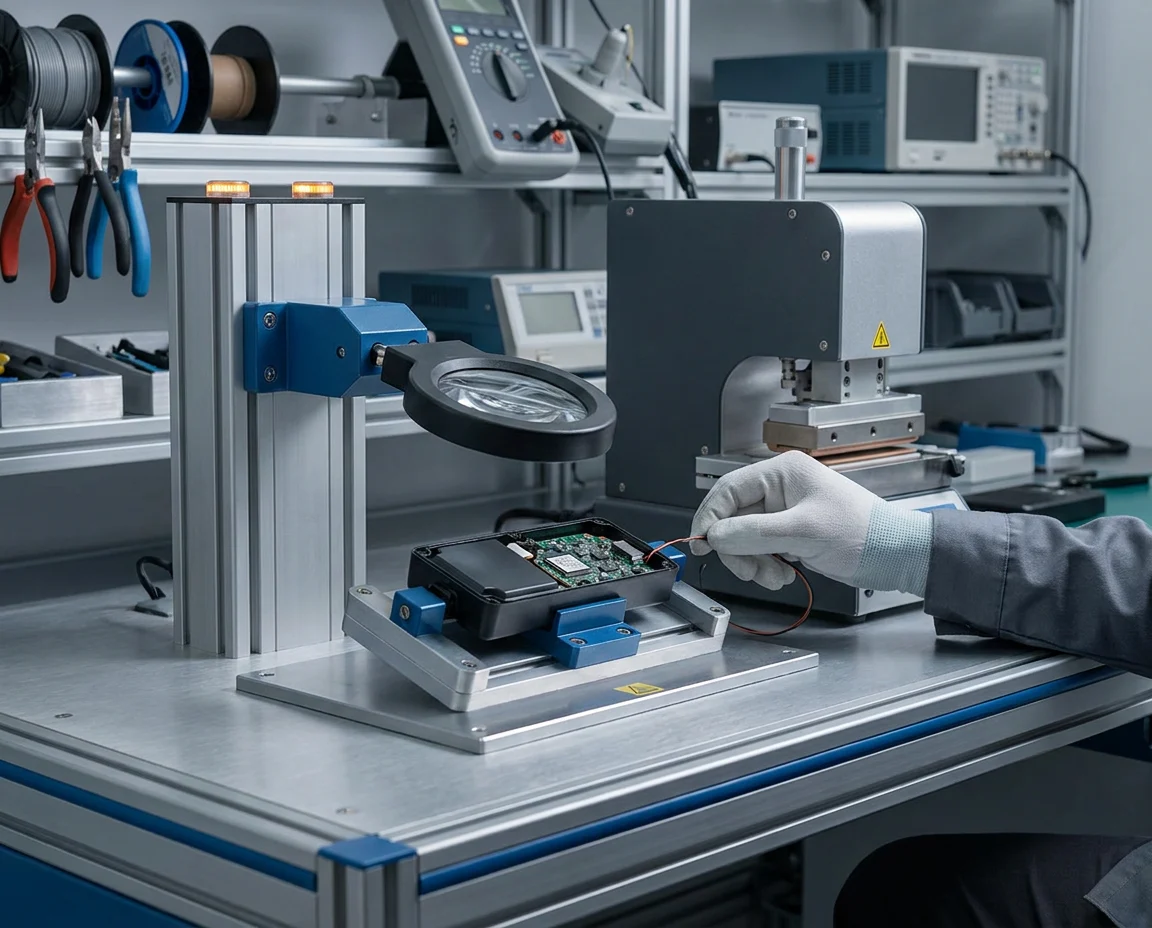
Every unit is powered on, acquires a live satellite fix, connects to the network, and reports a position before it is packed, held to AQL 2.5 General Level II on the pre-shipment sample. The full factory tour, production lines, and audit history sit with our factory and quality system.
Who Buys Our GPS Trackers
We supply four buyer types, each sourcing trackers for a different job.
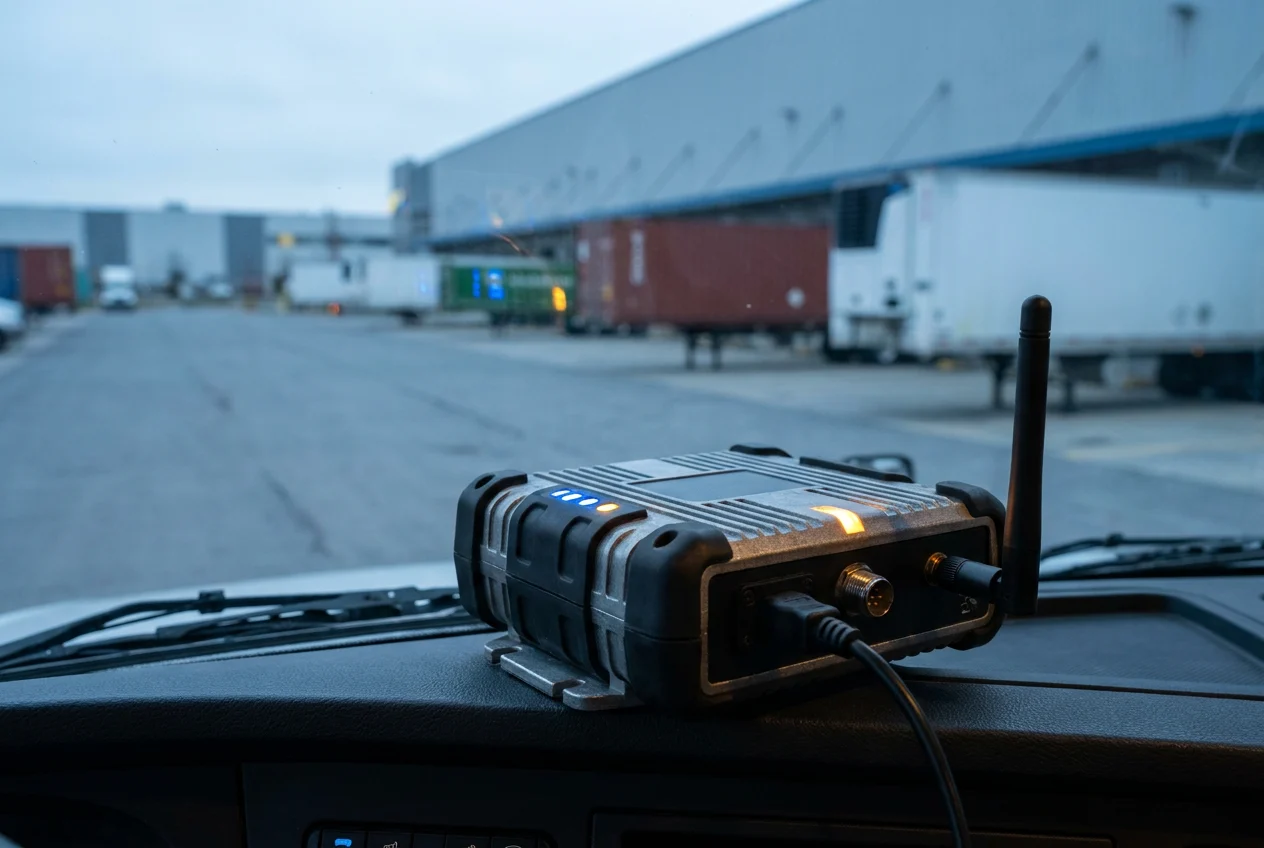
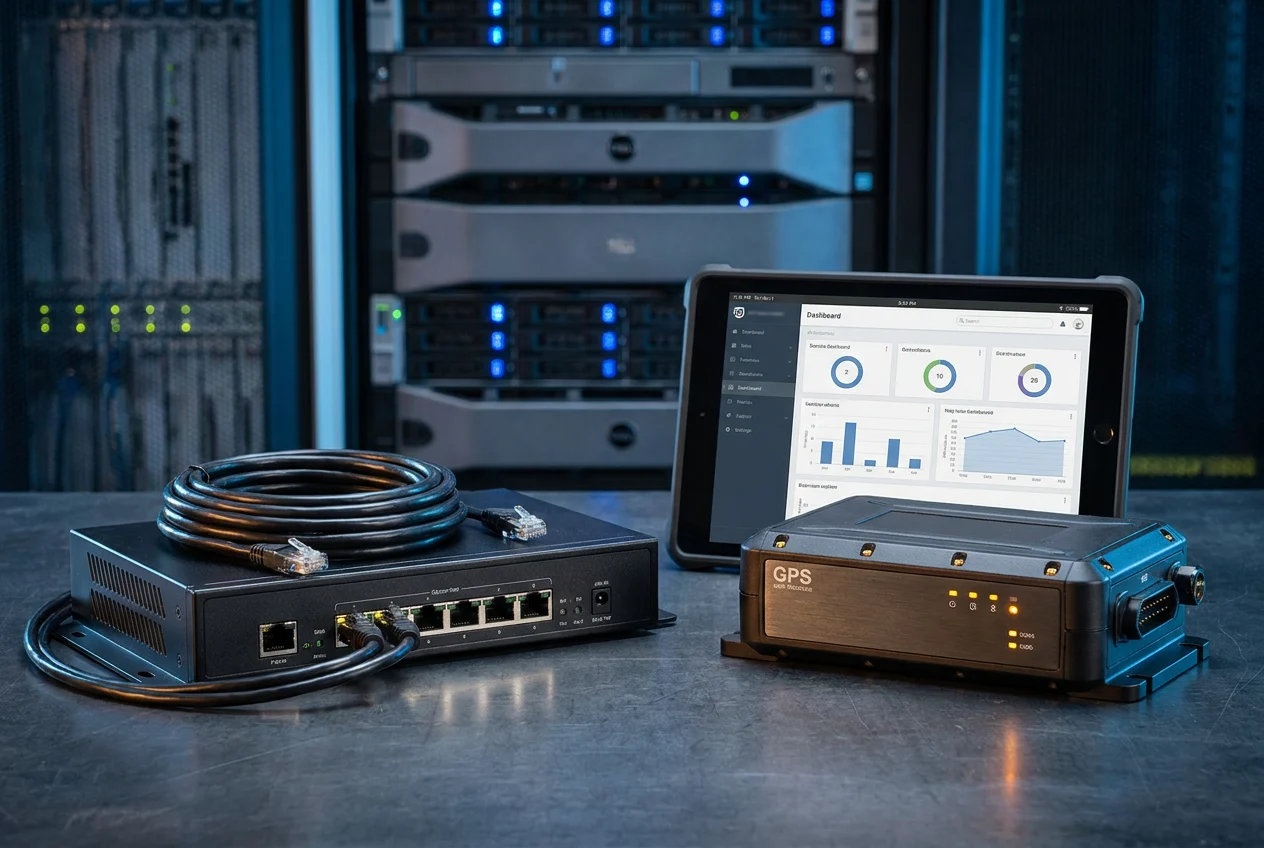
Fleet, logistics, rental & cold-chain operators
Deliverable: trackers pre-configured to your reporting interval and geofences, with the platform account and its sub-accounts set up before the units ship.
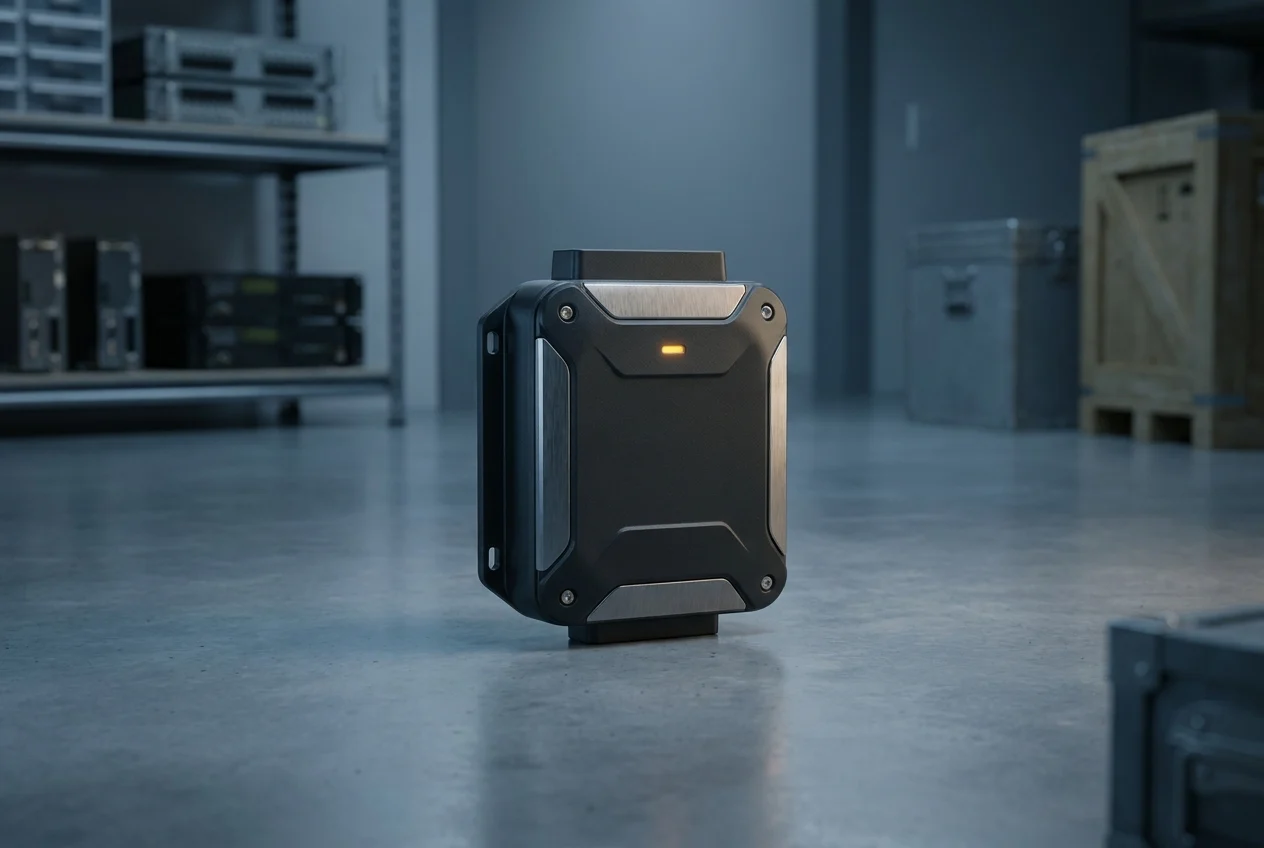
IoT, telematics & SaaS platforms and MVNOs
Deliverable: the API, SDK, and platform-protocol documentation plus a firmware build that reports to your endpoint on your APN.
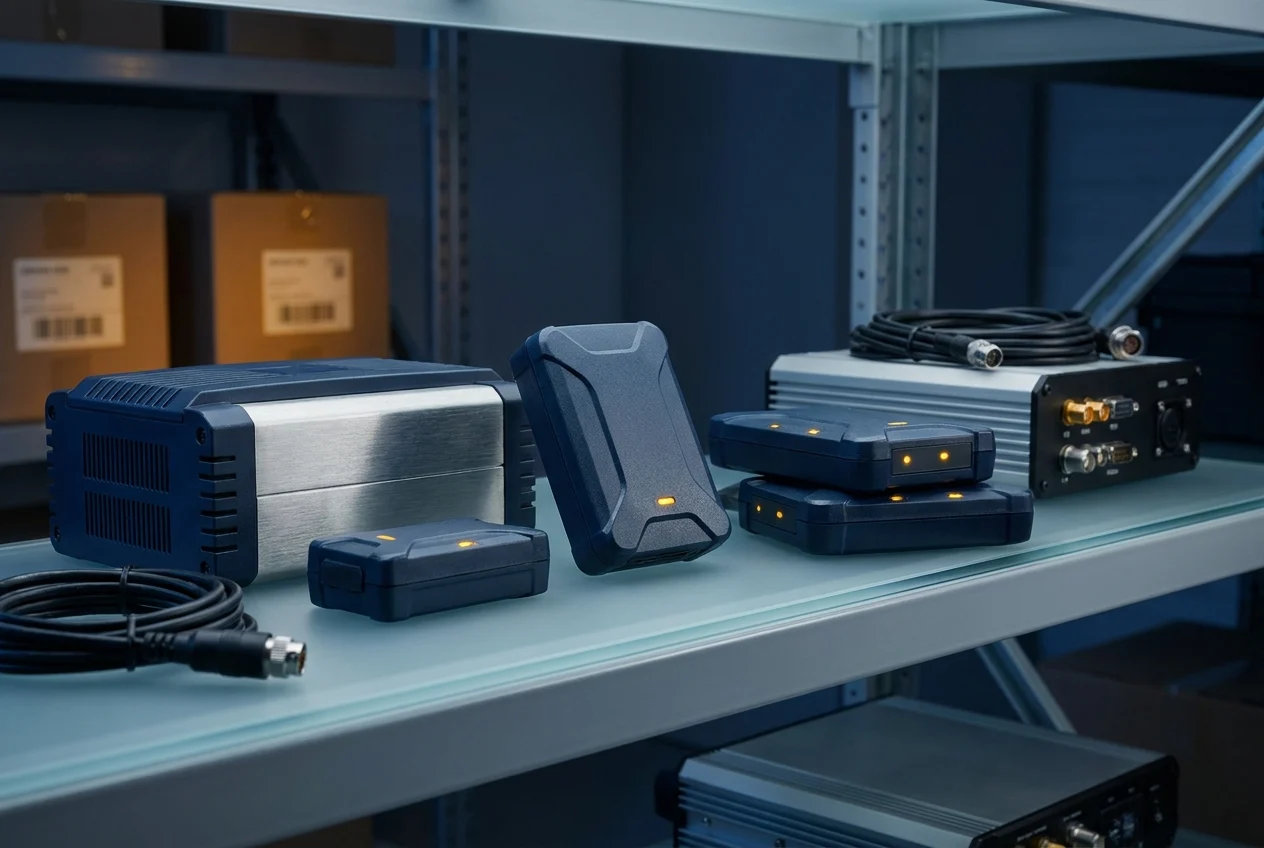
Cross-border marketplace & crowdfunding brands
Deliverable: retail-ready packaging with a white-label app listing and platform screenshots for the product page.
Asset-management & security-equipment wholesalers
Deliverable: one locked firmware and platform build carried across every reorder, so a batch bought six months from now behaves identically to this one, on a 15–20 day reorder turnaround.
A fuller breakdown of buyer segments and our full product range across all 14 safety categories sits on the home page.
Get a Quote or Request Samples
Send us the shape of the deployment: which form factor, roughly what volume, which markets the units have to stay connected across, and whether the fleet runs on your own branded platform or binds to a server you already operate. From that we come back with the SKU, a SIM and band plan matched to those markets, the platform setup, and the commercial terms together. You approve a working sample on your own platform account, watching a live fix move on the map, before any bulk run is booked, and the sample charge is credited to that order.