Core
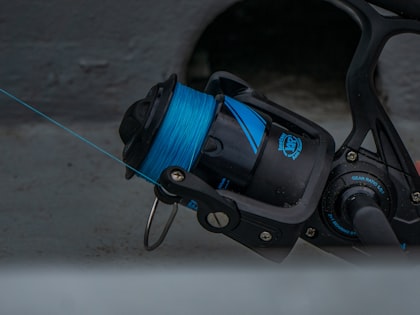

Single-Rod Bite Alarm
The core unit; roller-wheel detection with an LED and a low-volume indicator tone, standalone or paired to a receiver.
roller-wheeladjustable sensitivity9V
When a carp lifts the line at three in the morning, a bite alarm has one job: put a clear, unmistakable signal in front of a dozing or distant angler, without crying wolf every time the wind puts a ripple on the water. SafeTech Factory builds fishing bite alarms and carp indicators around that job. The line sits across a stainless roller wheel; when a fish runs or drops back, the wheel turns, and the unit answers with a lit LED, a low-volume indicator tone, and — on the wireless models — a nudge to the handheld receiver in the angler's pocket, with sensitivity, tone, and volume the angler dials in to match the water.

A tackle buyer building an indication shelf usually ends up with a single alarm from one supplier, a set kit from another, and a bag of bells from a third, then finds the roller feel and the wireless coding are different on each. We build the whole indication range on one roller-and-sensor platform, so a standalone alarm and a four-rod set read a bite the same way and pair on the same coded link — what changes down the range is how many rods it covers and how the angler is reached. The single-rod wireless bite alarm is the core of the line, and the rest branch off it for different swims, budgets, and session styles.
The core unit; roller-wheel detection with an LED and a low-volume indicator tone, standalone or paired to a receiver.

Matched alarms plus one handheld receiver in 1+1, 2+1, 3+1, and 4+1 kits, each rod on its own channel and colour.

A hanger / drop-arm indicator with a bank-side LED, used with the alarm to read slack-line drop-backs.

A value clip-on audible indicator for float and light-session anglers who do not need a coded receiver.
This is the part that decides whether an end user trusts the alarm through a slow night or bins it after a blank session, so it is where the engineering sits. The fishing line runs across a stainless-steel roller wheel turning on a sealed bearing at the head of the unit. When a fish takes line on a run, the wheel spins; when the same fish drops back and the line falls slack, the wheel spins the other way. A magnet fixed to the wheel passes a hall-effect sensor as it turns, and a small vibration element backs it up, so the unit reads real line movement in both directions rather than guessing at a bite from a single knock. That is why a proper roller alarm catches the drop-back takes a fixed-contact sensor misses, and why the roller has to run true and free — a sticky or rough wheel is the first thing a serious carp angler feels and rejects.
Reading the movement is only the first step; the unit then has to say so in three ways at once, because one signal is never enough on the bank. The instant the wheel registers a run, a recessed LED latches on so the rod is obvious in the dark, a low-volume indicator tone sounds at the alarm itself, and, on the wireless models, a coded signal goes to the receiver so the angler resting in the bivvy knows a fish is on without watching the rods. The whole chain — line moves, roller turns, sensor reads it, LED plus tone plus wireless fire — is what a bite alarm is for, and each of those three outputs is tuned so the angler is alerted without the unit becoming a nuisance to them or the next swim along.
The fish takes line, the wheel spins one way, and the alarm fires its full output — the classic screaming take.
The fish moves in and the line falls slack; the wheel turns the other way, so a quiet drop-back still registers.
A bite alarm set once at the factory and never touched again is wrong on most banks, because still water, a flowing river, and a tidal estuary each move the line differently, and a delicate liner reads nothing like a screaming run. So the angler tunes three things on the unit.
A fine, stepless dial rather than a few fixed steps. Wound down, the alarm ignores the drift and lap of a windy day and speaks only for a determined take; wound up, it registers the smallest liner on dead-still water.
Eight selectable tone pitches, so a three-rod angler gives each rod its own note and knows by ear which one has gone off before they are even out of the chair.
Ten steps, from a silent, LED-only night mode for a quiet syndicate water up to a comfortable bank level that carries across a swim — a low, clear indicator tone meant to reach the angler and no further.
Getting that dial right for the conditions is what separates a night of real bites from a night of standing up to a false alarm, so the adjustment is fine enough to actually match the water.
The wireless side is what lets an angler leave the rods and still catch every take, so it has to reach the bivvy and stay honest on a crowded venue. Each alarm carries a radio transmitter that pairs to a handheld receiver over a coded link with a usable range of up to about 100 metres in line of sight — far enough to walk to the tackle shop van or brew up out of the rain and still be told the moment a rod goes off. Pairing is a lag-free learn-and-sync step done once at the bank: the receiver picks up each alarm on its own channel, and from then on a run reaches the receiver as it happens, not a beat behind.
The problem that wrecks cheap wireless sets is a busy water, where a dozen anglers are all running alarms within earshot and receivers start firing off each other's rods. We design against that with 256 variable pairing codes, so a set is keyed to its own alarms and ignores every other angler's radio traffic — the receiver only lights for the rods it was taught. On the receiver, each rod shows up with the matching channel colour, the same tone it carries at the bank, and a vibration alert for a silent-water night, so the angler knows which of three or four rods has a fish at a glance. This whole radio link is built for angling convenience on the bank — reaching the angler at the water — and nothing else; it carries no phone app and no location feature, because a bite alarm's job ends at telling the angler a fish is on.
An alarm lives its whole life outdoors on a bank — rained on, dropped in wet grass, heavy with dew by dawn, and left out for days on a session — so durability here is pass-or-fail, not a bonus. Water is what kills a cheap unit first: moisture creeps past a poor seal, corrodes the board or seizes the roller bearing, and the alarm either dies or chatters.
Sealed to IPX5, and the rugged variant to IP66, so rain, spray, and a heavy dew run off rather than in, and the roller keeps turning true after months on the bank. A bank-side weather-resistance note for a unit that sits beside the water — not a submersion claim, and secondary to the detection.
The alarm runs from a single 9V cell and the receiver from three AAA cells, with a rechargeable option per SKU, and standby runs up to about 2,000 hours — a real season rather than a spec-sheet best case. A low-battery LED warning shows well before the cell gives out.
The indicator LED is recessed and night-vision-friendly, offered in six selectable colours so each rod carries its own, and it latches on a registered run so a rod that went off while the angler was resting is still obvious when they look up.
Run line over the roller yourself before any bulk order is booked.
Request SamplesHow the range is bought is as much a product decision as how it works, because a tackle buyer stocks by set size, not by loose units. We build the wireless line as matched kits so a shelf covers every angler, and every alarm in a set is coded and coloured to its receiver channel out of the box — the end user opens the kit and fishes rather than pairing units one at a time on a cold bank.
Protects the alarms and receiver between sessions and reads as a proper piece of kit, not a bag of parts.
A boxed presentation for the Christmas and birthday tackle trade, where a boxed set is the whole sale.
Set structure, case, and packaging are specified here; logo, colour, LED colour, and MOQ tiers are handled in the OEM section so the two do not overlap.

Every model ships with a full spec sheet, so your listing copy and your compliance reviewer work from one set of numbers. Core specifications across the line:
| Detection | line-movement — stainless roller wheel (sealed bearing) + magnet / hall-effect sensor + vibration element; reads a run and a drop-back |
|---|---|
| Sensitivity | continuously adjustable (fine rotary), tuned from a delicate liner to a fast run |
| Tone (pitch) | 8 selectable tone pitches — one note per rod |
| Volume | 10 steps, including a silent / LED-only night mode; low-volume bite indicator tone |
| LED indicator | recessed night-vision LED, 6 selectable colours, latching on a registered run |
| Wireless link | 433 MHz RF alarm → handheld receiver; up to ~100 m line of sight; 256 anti-cross-frequency codes; lag-free sync |
| Receiver | handheld multi-channel — per-rod channel colour + tone + vibration alert |
| Power | alarm 1× 9V (6F22); receiver 3× AAA (rechargeable option); standby up to ~2,000 h; low-battery LED warning |
| Ingress rating | IPX5 standard, IP66 rugged variant (bank-side weather note — not a submersion rating) |
| Set options | single alarm · 1+1 / 2+1 / 3+1 / 4+1 sets · swinger / drop indicator · electronic bell |
| Operating temp | -10 °C to +50 °C |
| Packaging | fitted EVA carry case; retail gift-box option |

Exact range, standby, dimensions, and per-SKU tolerances are confirmed against the specific model on your quote.
Most tackle buyers who reach us want to get off the identical open-mould alarm that every rival brand is also selling in a different colour. Our engineering team — circuit, structure, and firmware — takes a bite alarm from a printed logo up to a housing and roller assembly no competitor is selling, so a private-label set looks and fishes like your brand. Because the roller, the coding, and the tone firmware are all tuned in-house, we can change the parts anglers actually notice, not just the sticker.
We build a working set for you to run line over the roller before any bulk run, and the sample charge is quoted upfront and comes back in full on the production order. The MOQ tiers and the customization structure are open from the start; per-unit pricing is confirmed on your quote. The complete custom process is laid out on our OEM & private label manufacturing page.
A bite alarm set clears the certifications before it can list — and a missing one holds a shipment at customs or pulls a listing from a marketplace.
See the CertificationsA bite alarm set has a radio inside — a transmitter in each alarm and a handheld receiver — so it clears the electronics approvals and the radio-equipment rules before it can list. Our fishing alarms are built and tested to the following, each opening a specific door:
Conformity for sale across the EU and EEA, including the radio-equipment requirements for the alarm's transmitter and the receiver.
Radio and electronics compliance for the United States market, required for any device with an RF transmitter.
Restricted-substance compliance for electronic goods.
Factory quality-management system running the whole line — a separate class from the product electronics certs.
Bank-side weather-resistance proof for a unit that lives beside the water — a secondary durability figure, not the immersion rating of the water-leak line.
We do not print registration numbers on the page; certificates and test reports are available on request and shared with your quote so you can check them against your own listing and customs requirements. The wireless link is a coded RF transmitter and receiver, not a phone-Bluetooth device, so no Bluetooth qualification applies. Our full quality control & certifications process covers each inspection gate and lab test. View the certificates & test reports →
Your order reaches the line directly, with no trading house in the middle marking it up or relaying your spec through a third party. The tone firmware you ask for, the roller spec you need, and the set coding you sell are set by the same team that seals the housings and runs the final test, so nothing is lost in a handoff and nothing carries a reseller's margin. For a tackle buyer that direct route shows up in the figures this product is judged on: 98% on-time delivery on committed dates, 100% functional inspection with every alarm powered on, run over the roller, and paired to its receiver before it is packed, 20+ QC checkpoints along the line, and 500,000 pcs per month of capacity to carry a real reorder through a fishing season. Around 70% of our order volume is repeat business — in a trade where one water-in failure sinks a listing, that return rate is the plainest evidence the alarms survive the bank. A bilingual team answers within your working day.
The full factory tour, production lines, and audit history sit with our factory and quality system rather than here.


Four kinds of buyer across the fishing-tackle trade source alarms from us, and each comes to the bank with a different problem to solve.

Selling angling gear on Amazon, eBay, or Shopee against a shelf of identical open-mould alarms leaves you with no margin and nothing a customer remembers. We answer with a distinct housing and receiver, your choice of body and LED colour, and a fully re-boxed set with your artwork and manual, so the alarm photographs and sells as yours.

Buying wholesale fishing alarms by the season for a whole chain falls apart on inconsistent kit and a lead time you cannot commit to. Every alarm in a set is pre-coded and colour-matched to its receiver so returns from mispairing stay low, the fixed MOQ tiers let you plan the season, and a stock reorder turns around in 15–20 days.

A brand or a crowdfunding campaign lives on kit that feels engineered, not rebadged, and above all on a wireless set that stays honest on a packed syndicate water. We build the coded 256-channel link and a custom shell and roller for exactly this, and put a working set in your hands early enough to fish and film before you launch.

Filling a shop wall or a regional catalogue means a spread from a value electronic bell up to a four-rod wireless set, all from one source at a price that holds a margin. We supply the whole indication range off one platform, so a distributor covers every price point and every angler without splitting the order across suppliers.
A fuller breakdown of segments and our full product range across all safety and outdoor categories sits on the home page.
Tell us the model and set size, the volume, and how the angler is reached — a standalone alarm or a coded receiver set — along with any tone, LED colour, or branding you need, and we scope the unit and the terms around it. A working set is built and coded first, so you run line over the roller and trip the real thing before committing to a bulk run, and any sample charge comes back on the production order.
Every model ships with a per-SKU spec sheet your listing and compliance teams can work from. Available for review before you commit:
The CE / RoHS / FCC certificates, the ISO 9001 certificate and the IPX5 / IP66 test report are available for your compliance team to verify during sourcing:
Registration numbers are shared with the documents on request. The wireless link is a coded RF transmitter and receiver, not a phone-Bluetooth device, so no Bluetooth qualification applies.
Request the reports